
Landmark
A memorable civic identity for the district.
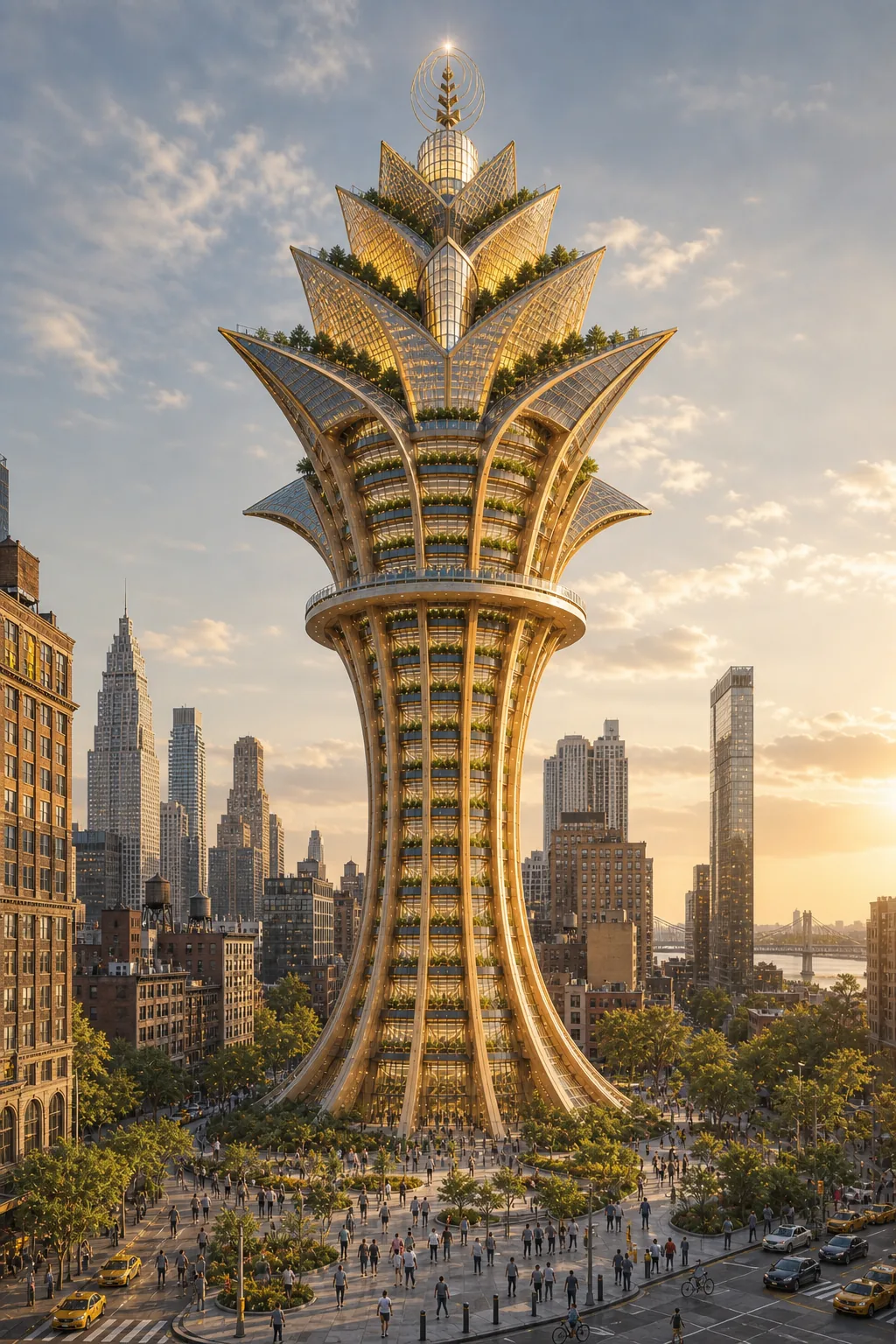
GAEA Towers
Living landmarks that grow food locally, make cities greener, and raise the value of the neighborhoods they anchor.
The proposition
The first wave of vertical farming proved that crops can thrive indoors. It also proved that capital-heavy farm ownership and unmanaged energy costs do not scale.
GAEA changes the model: developers fund a landmark asset they already know how to finance. GAEA designs, engineers, and licenses the integrated platform.
A memorable civic identity for the district.
Fresh premium greens and herbs, grown near demand.
A controllable load designed for smarter grid participation.
Visible environmental performance people can experience.
Systems integration
GAEA joins architecture, controlled-environment agriculture, renewable energy, storage, and intelligent load management in one coordinated system.
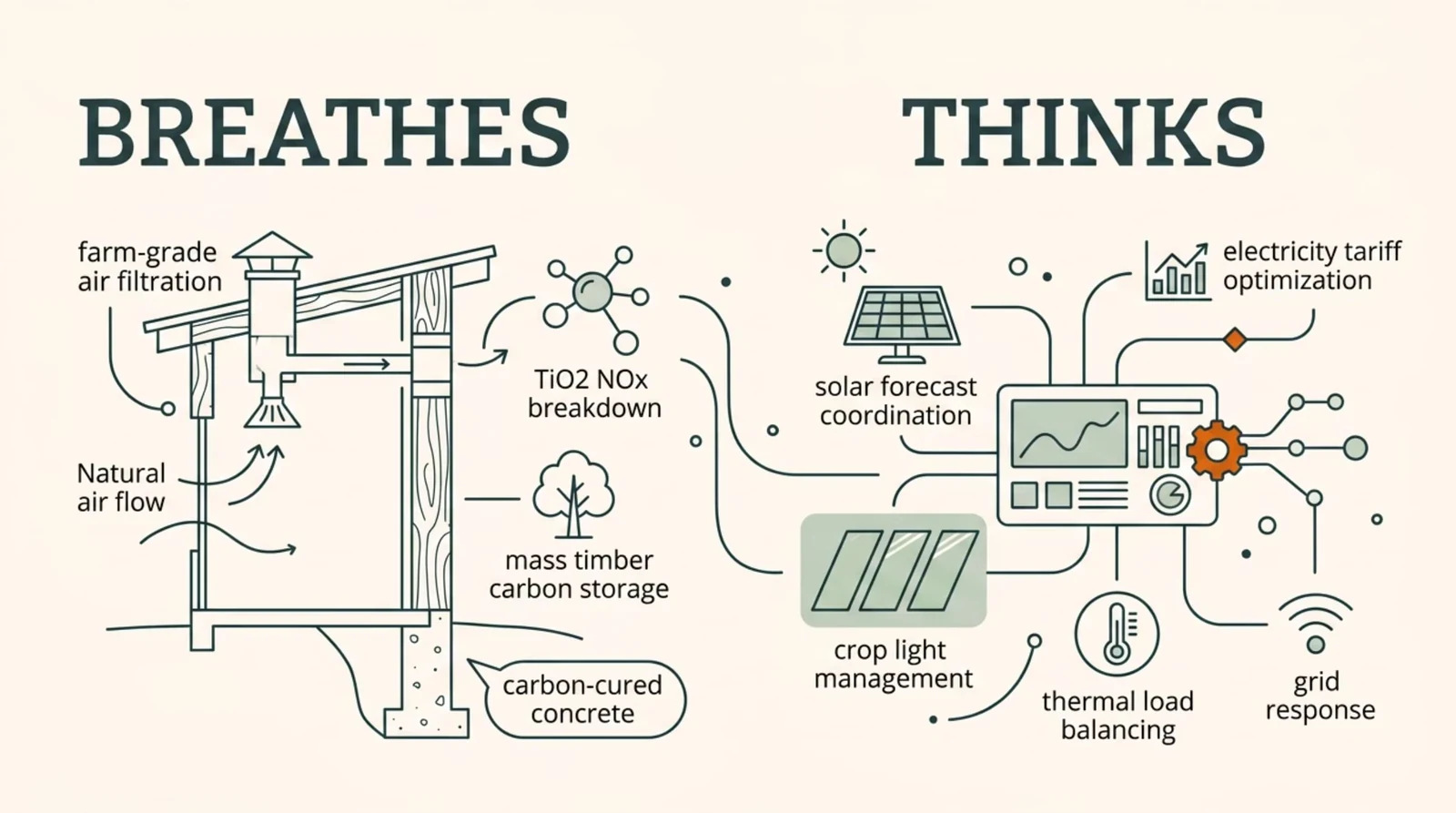
Farm-grade filtration, sunlit TiO₂ surfaces, mass timber, and carbon-cured concrete create a cleaner, lower-carbon presence in and around the development.
The controller coordinates solar forecasts, tariffs, crop light needs, thermal loads, storage, and grid response without compromising the crop.
Built for developers
GAEA is designed for district-scale projects in green-mandate metros, where differentiation, approval pathways, and public identity matter.
Discuss a district opportunity →Illustrative targets and market-based planning assumptions; not claims of completed project performance.
Honest numbers
Conservative modeling made the strategy clear: GAEA should own the engineering, controls, and recurring data, not construction capital.
The result
Developers fund construction. GAEA earns development and licensing fees, with additional participation in produce, energy-services, and contracted value uplift.
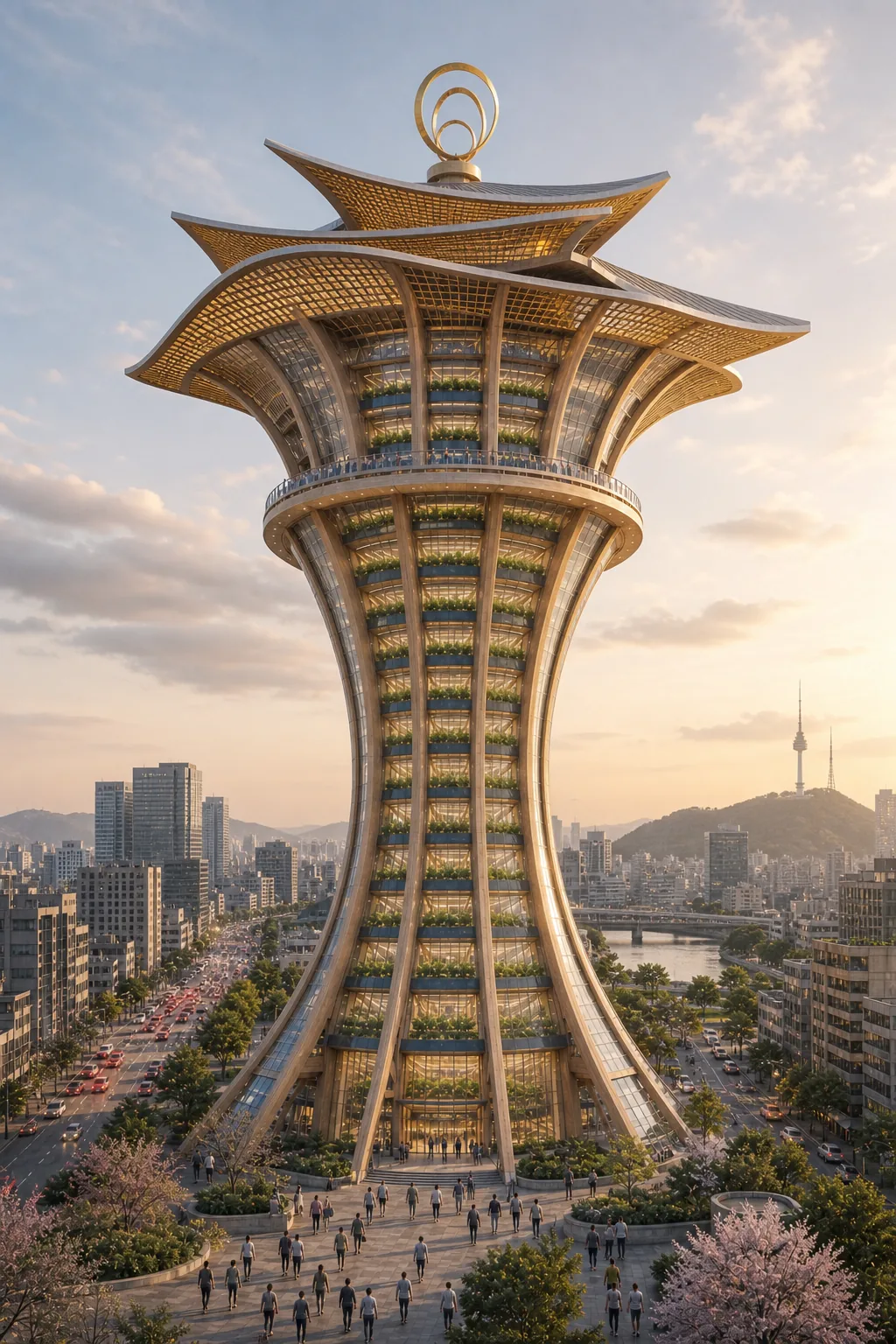
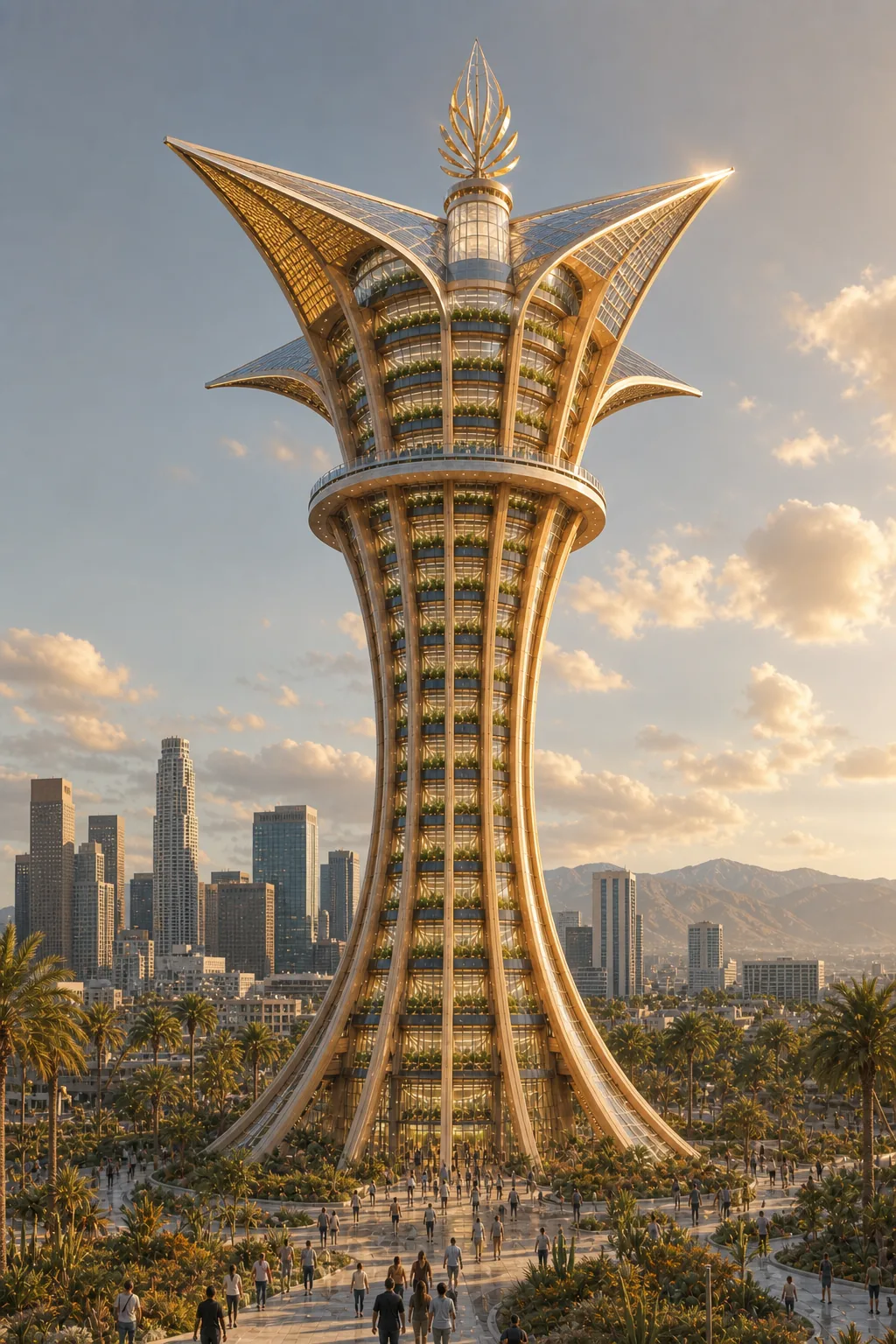
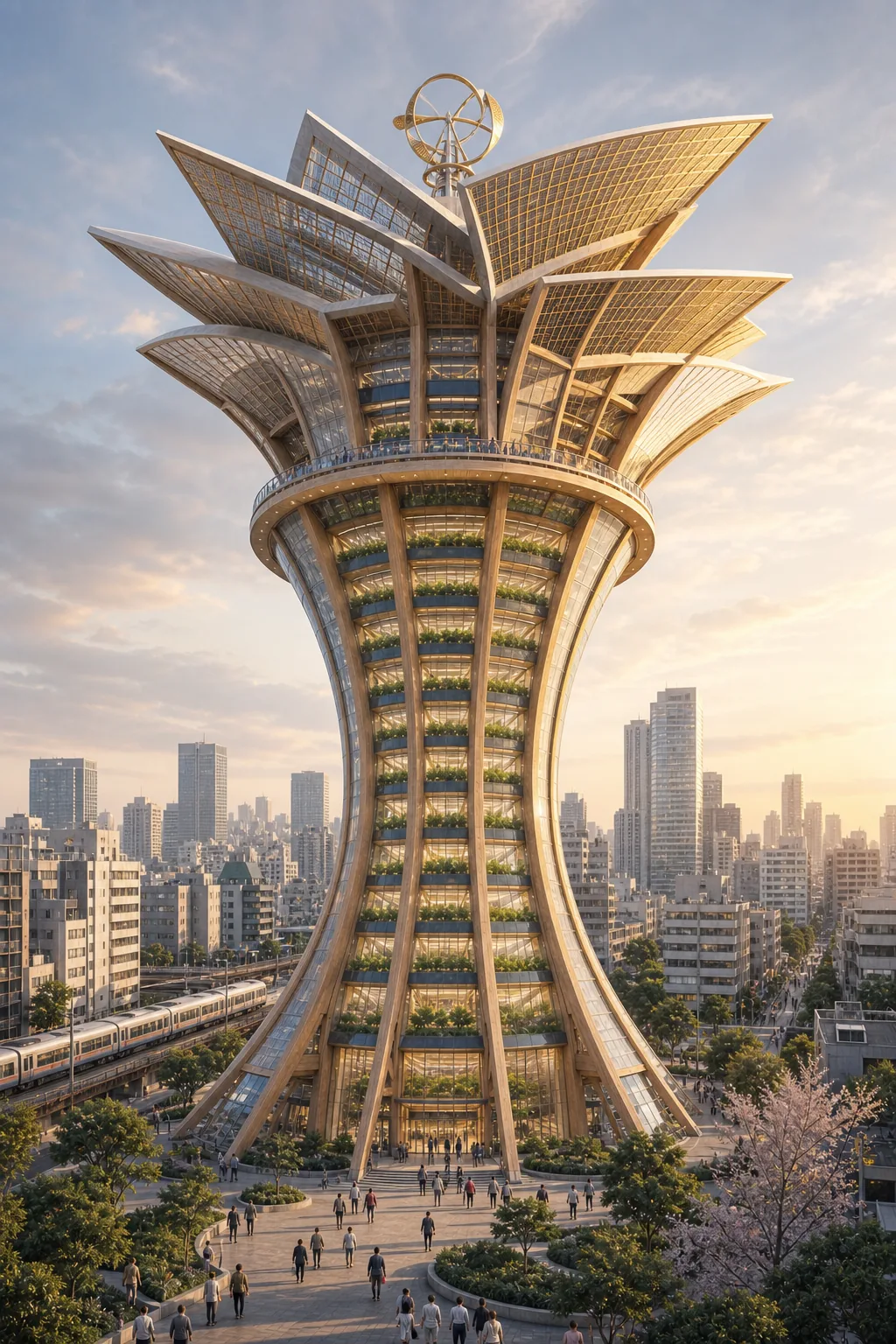
A global design language
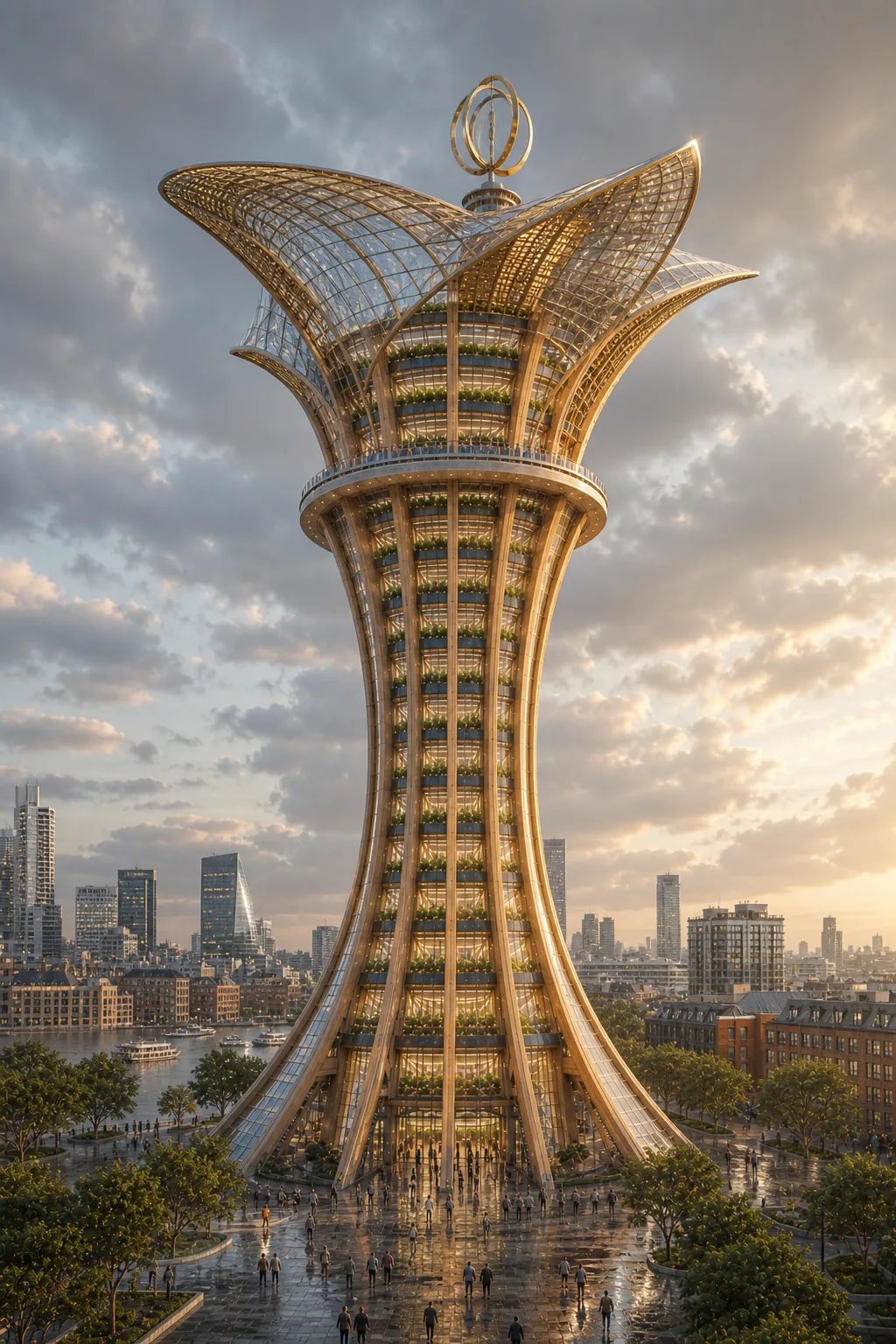
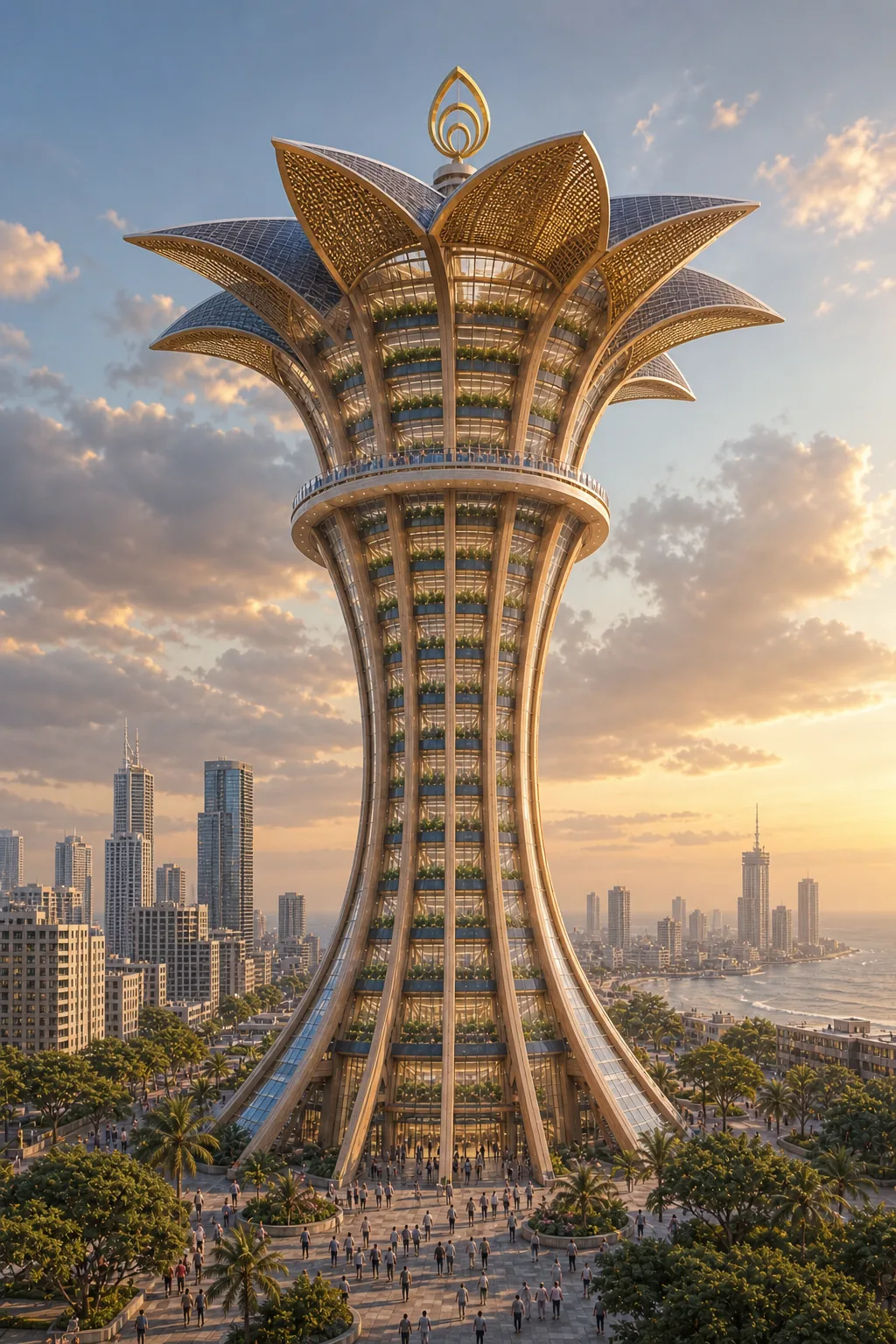
Each concept adapts the GAEA silhouette to its climate, culture, and urban setting while preserving the same integrated systems logic.
The first tower
We are speaking with district-scale developers, climate investors, and operating partners ready to shape the first commissioned GAEA tower.
Talk to GAEA